STRAVINSKY – MONNET – DEBUSSY Orchestre Philharmonique de Monte-Carlo

Thursday 12 March ı 7:30 PM
Auditorium Rainier III
Before
6:00 PM — ENCOUNTER — Auditorium Rainier III

with Marc Monnet, composer, moderated by Tristan Labouret, musicologist

Reservation
7:30 PM — CONCERT — Auditorium Rainier III
<div>
<p class="Standard"><b><span lang="EN-US">Igor Stravinsky </span></b><span lang="EN-US">(1882-1971)</span></p>
</div>
<div>
<p class="Standard"><i><span lang="EN-US">Four Etudes for Orchestra</span></i><span lang="EN-US"> &#8211; 10 min                                                 </span><span lang="EN-US"><br />
</span><span lang="EN-US">1. Danse</span><span lang="EN-US"><br />
</span><span lang="EN-US">2. Excentrique</span><span lang="EN-US"><br />
</span><span lang="EN-US">3. Cantique</span><span lang="EN-US"><br />
</span><span lang="EN-US">4. Madrid</span></p>
</div>
<div>
<p class="Standard"><b><span lang="EN-US">Marc Monnet </span></b><span lang="EN-US">(1947-)<br />
<i></i></span></p>
<p class="Standard"><span lang="EN-US"><i><span lang="EN-US">Concerto pour piano et orchestre &#8211; </span></i><span lang="EN-US">27 min</span><br />
</span></p>
</div>
<div>
<p class="Standard"><span lang="EN-US">World premiere, commissioned by Printemps des Arts de Monte-Carlo with the support of the SOGEDA</span></p>
</div>
<div>
<p class="Standard"><span lang="EN-US">1. Mouvement 1<br />
</span>2. Mouvement 2<br />
Cadenza<br />
3. Mouvement 3</p>
</div>
<div>
<p class="Standard"><span lang="EN-US">***</span></p>
</div>
<div>
<p class="Standard"><b><span lang="EN-US">Igor Stravinsky</span></b><span lang="EN-US"> (1882-1971)<br />
</span><i></i></p>
<p class="Standard"><i><span lang="EN-US">Three Pieces for String Quartet </span></i><span lang="EN-US">&#8211; 8 min</span></p>
</div>
<div>
<p class="Standard"><span lang="EN-US">1. Noire = 126</span><span lang="EN-US"><br />
</span><span lang="EN-US">2. Noire = 76<br />
</span>3. Blanche = 40</p>
<p class="Standard"><b><span lang="EN-US">Claude Debussy </span></b><span lang="EN-US">(1862-1918)</span></p>
</div>
<div><i><span lang="EN-US">Images pour orchestre &#8211;</span></i> <span lang="EN-US">35 min</span></div>
<div><span lang="EN-US"> </span></div>
<div><span lang="EN-US"> 1. Gigues</span></div>
<div><span lang="EN-US"> 2. Ibéria</span><span lang="EN-US">            </span></div>
<div><span lang="EN-US">I. Par les rues et les chemins</span></div>
<div><span lang="EN-US">II. Les parfums de la nuit</span></div>
<div><span lang="EN-US">III. Le matin d&#8217;un jour de fête</span></div>
<div><span lang="EN-US">3. Rondes de printemps</span></div>
<div>
<p class="Standard"><b><span lang="EN-US">Igor Stravinsky </span></b><span lang="EN-US">(1882-1971)</span></p>
</div>
<div>
<p class="Standard"><i><span lang="EN-US">Four Etudes for Orchestra</span></i><span lang="EN-US"> &#8211; 10 min                                                 </span><span lang="EN-US"><br />
</span><span lang="EN-US">1. Danse</span><span lang="EN-US"><br />
</span><span lang="EN-US">2. Excentrique</span><span lang="EN-US"><br />
</span><span lang="EN-US">3. Cantique</span><span lang="EN-US"><br />
</span><span lang="EN-US">4. Madrid</span></p>
</div>
<div>
<p class="Standard"><b><span lang="EN-US">Marc Monnet </span></b><span lang="EN-US">(1947-)<br />
<i></i></span></p>
<p class="Standard"><span lang="EN-US"><i><span lang="EN-US">Concerto pour piano et orchestre &#8211; </span></i><span lang="EN-US">27 min</span><br />
</span></p>
</div>
<div>
<p class="Standard"><span lang="EN-US">World premiere, commissioned by Printemps des Arts de Monte-Carlo with the support of the SOGEDA</span></p>
</div>
<div>
<p class="Standard"><span lang="EN-US">1. Mouvement 1<br />
</span>2. Mouvement 2<br />
Cadenza<br />
3. Mouvement 3</p>
</div>
<div>
<p class="Standard"><span lang="EN-US">***</span></p>
</div>
<div>
<p class="Standard"><b><span lang="EN-US">Igor Stravinsky</span></b><span lang="EN-US"> (1882-1971)<br />
</span><i></i></p>
<p class="Standard"><i><span lang="EN-US">Three Pieces for String Quartet </span></i><span lang="EN-US">&#8211; 8 min</span></p>
</div>
<div>
<p class="Standard"><span lang="EN-US">1. Noire = 126</span><span lang="EN-US"><br />
</span><span lang="EN-US">2. Noire = 76<br />
</span>3. Blanche = 40</p>
<p class="Standard"><b><span lang="EN-US">Claude Debussy </span></b><span lang="EN-US">(1862-1918)</span></p>
</div>
<div><i><span lang="EN-US">Images pour orchestre &#8211;</span></i> <span lang="EN-US">35 min</span></div>
<div><span lang="EN-US"> </span></div>
<div><span lang="EN-US"> 1. Gigues</span></div>
<div><span lang="EN-US"> 2. Ibéria</span><span lang="EN-US">            </span></div>
<div><span lang="EN-US">I. Par les rues et les chemins</span></div>
<div><span lang="EN-US">II. Les parfums de la nuit</span></div>
<div><span lang="EN-US">III. Le matin d&#8217;un jour de fête</span></div>
<div><span lang="EN-US">3. Rondes de printemps</span></div>
<div>
<p class="Standard"><b><span lang="EN-US">Igor Stravinsky </span></b><span lang="EN-US">(1882-1971)</span></p>
</div>
<div>
<p class="Standard"><i><span lang="EN-US">Four Etudes for Orchestra</span></i><span lang="EN-US"> &#8211; 10 min                                                 </span><span lang="EN-US"><br />
</span><span lang="EN-US">1. Danse</span><span lang="EN-US"><br />
</span><span lang="EN-US">2. Excentrique</span><span lang="EN-US"><br />
</span><span lang="EN-US">3. Cantique</span><span lang="EN-US"><br />
</span><span lang="EN-US">4. Madrid</span></p>
</div>
<div>
<p class="Standard"><b><span lang="EN-US">Marc Monnet </span></b><span lang="EN-US">(1947-)<br />
<i></i></span></p>
<p class="Standard"><span lang="EN-US"><i><span lang="EN-US">Concerto pour piano et orchestre &#8211; </span></i><span lang="EN-US">27 min</span><br />
</span></p>
</div>
<div>
<p class="Standard"><span lang="EN-US">World premiere, commissioned by Printemps des Arts de Monte-Carlo with the support of the SOGEDA</span></p>
</div>
<div>
<p class="Standard"><span lang="EN-US">1. Mouvement 1<br />
</span>2. Mouvement 2<br />
Cadenza<br />
3. Mouvement 3</p>
</div>
<div>
<p class="Standard"><span lang="EN-US">***</span></p>
</div>
<div>
<p class="Standard"><b><span lang="EN-US">Igor Stravinsky</span></b><span lang="EN-US"> (1882-1971)<br />
</span><i></i></p>
<p class="Standard"><i><span lang="EN-US">Three Pieces for String Quartet </span></i><span lang="EN-US">&#8211; 8 min</span></p>
</div>
<div>
<p class="Standard"><span lang="EN-US">1. Noire = 126</span><span lang="EN-US"><br />
</span><span lang="EN-US">2. Noire = 76<br />
</span>3. Blanche = 40</p>
<p class="Standard"><b><span lang="EN-US">Claude Debussy </span></b><span lang="EN-US">(1862-1918)</span></p>
</div>
<div><i><span lang="EN-US">Images pour orchestre &#8211;</span></i> <span lang="EN-US">35 min</span></div>
<div><span lang="EN-US"> </span></div>
<div><span lang="EN-US"> 1. Gigues</span></div>
<div><span lang="EN-US"> 2. Ibéria</span><span lang="EN-US">            </span></div>
<div><span lang="EN-US">I. Par les rues et les chemins</span></div>
<div><span lang="EN-US">II. Les parfums de la nuit</span></div>
<div><span lang="EN-US">III. Le matin d&#8217;un jour de fête</span></div>
<div><span lang="EN-US">3. Rondes de printemps</span></div>
With intermission ***

Igor Stravinsky (1882-1971)

Four Etudes for Orchestra – 10 min                                                 
1. Danse
2. Excentrique
3. Cantique
4. Madrid

Marc Monnet (1947-)

Concerto pour piano et orchestre – 27 min

World premiere, commissioned by Printemps des Arts de Monte-Carlo with the support of the SOGEDA

1. Mouvement 1
2. Mouvement 2
Cadenza
3. Mouvement 3

***

Igor Stravinsky (1882-1971)

Three Pieces for String Quartet – 8 min

1. Noire = 126
2. Noire = 76
3. Blanche = 40

Claude Debussy (1862-1918)

Images pour orchestre – 35 min
 
 1. Gigues
 2. Ibéria            
I. Par les rues et les chemins
II. Les parfums de la nuit
III. Le matin d’un jour de fête
3. Rondes de printemps

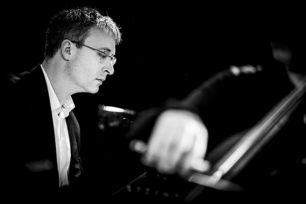
Jean-Frédéric Neuburger, piano
Liza Kerob, violin
Peter Szüts, violin
Federico Andres Hood, viola
Thierry Amadi, cello
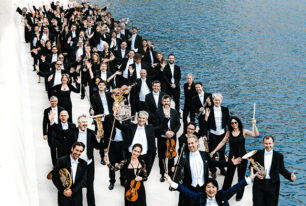
Orchestre Philharmonique de Monte-Carlo
Pascal Rophé, conductor

From black and white to colour – this is, somehow, the experience proposed in this concert, starting with Stravinsky’s Three Pieces for String Quartet for a « monochrome » quartet performance, followed by their transcription for symphony orchestra (Quatre Etudes), performed by the soloists of the Orchestre Philharmonique de Monte-Carlo, and then the entire OPMC. After that, Images by Claude Debussy will spurt out like fireworks. This is the least we can do to celebrate the return to the Principality of the man who was artistic director of the festival for almost 20 years : Marc Monnet. At the heart of the programme, his Concerto pour piano et orchestre, commissioned by the festival, is presented as a world premiere.

Concert prices
CAT.1
36
CAT.2
26

Online booking

You can book your tickets on Monte-Carlo Ticket website !
INFORMATION
PARKING

In general, the night rate is applicable from 7 p.m.: €0.20 every 15 minutes*

Except for the events for which the "Festival Printemps des Arts" show package applies

* Subject to change

More information
OF COLOURS AND RHYTHMIC BEATS

Listening twice to the same work in the same concert is a rare experience! It is however what this programme proposes, since Stravinsky’s Four Etudes for Orchestra are no other than the symphonic version of his Three pieces for String Quartet. The latter were composed in Salvan (Switzerland) in June and July 1914, before being reworked in 1918 and 1921, and then transcribed for a full orchestra. In 1928, Stravinsky completed this second cycle with the piece Madrid, initially conceived for the player piano.

While the Three Pieces highlight the Stravinskian innovations – through the almost analytical precision of the quartet’s performance – the orchestra of Etudes underlines the thematic and structural contrasts. The deliberately caricatured instrumentation also stresses the humour in the composition. Etudes also include new titles which reveal their respective sources of inspiration: a folk dance (“Dance”), a tribute to the eccentric London clown Little Tich (“Excentrique”), and acanticle” founded on the chorale’s verticality.

Stravinsky considered these pieces to be his most advanced music, and for good reason. A linchpin between The Rite of Spring and the Symphonies for Wind Instruments, they give his experimentation a radical turn. Thus, “Dance” combines four ostinati which don’t match either in meter or pitch. With “Excentrique”, Stravinsky blasts any orchestral good behaviour, and plays on the grotesque potential of each instrument in order to stress the abrupt breaks between sections. To the motionlessness and delightfully austere sounds of the “Cantique”, he finally opposes the heartwarming vitality of “Madrid”, a piece saturated with bright colours.

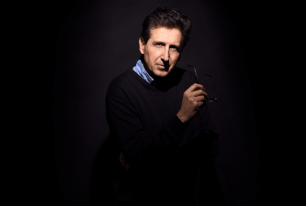
Marc Monnet emphasises that Stravinsky “played with everything and feared nothing”. While this remark resonates particularly well with Stravinsky’s Pieces and Études, it applies even more aptly to Monnet’s inventive language. Unclassifiable and even iconoclastic, the musician renews his aesthetic with each project. He cultivates surprise – for himself, by refusing to predetermine his compositions, and for the audience, whose listening he wishes to enliven. We are indeed faced with a creation that is all the more surprising for those familiar with Monnet’s work! Until now, the composer had taken pleasure in subverting classical genres, particularly the concerto. His contributions sought new responses to the confrontation between soloist and orchestra; without proclaiming themselves “anti-concertos”, they erased the usual titles and forms and focused on integrating the soloist into the ensemble.

Today, we are presented with Monnet’s first “classical” concerto. The featured instrument is the piano, the title and division into three movements are unambiguous, and we even find the soloist’s cadenza, a traditional requirement, featured in it. Does this mean that Monnet decided to “settle down”? Certainly not! He describes his gesture as a final about-face, a snub to those who would always expect him to be on the side of the disruptors. For once, he followed convention – at least at first sight, because underneath, the unpredictable and even strangeness are about to resurface. Let’s preserve the integrity of the surprise here and just say that the playing techniques will destabilise the usual sounds of the orchestra, that a second piano will sometimes echo the soloist, and that a didgeridoo will blend its colours with the ensemble.

Like Stravinsky and later Monnet, Claude Debussy worked to transform the listening habits of his contemporaries. This is evident in the reception of his Images pour orchestre: in order to describe music whose novelty they struggled to grasp, journalists (ab)used visual metaphors. Although Debussy himself encouraged that easy tendency by calling his cycle Images, his pieces suggest rather than depict, and do so through a fragmented discourse that defies convention.

Although composed at various intervals (between 1905 and 1912), Images share striking similarities: they emerge from the “silence” of tremolo pedals, are enlivened by dance rhythms, and recall popular tunes. The melodies of “Gigues” come from Great Britain. They emerge languidly from the orchestral mists and gain momentum when the Scottish tune “The Keel Row” appears. In second place, the vibrant “Ibéria” refers to a land that Debussy never visited. And yet there is so much of Spain in this triptych! The first part borrows from the picturesque rhythm of the sevillana, stressed by the castanets and tambourine. Its joyfulness is matched by the heady scents of a habanera, followed by a morning scene where the pizzicati-plucking violins imitate a group of guitars.

“Rondes de printemps” return to French folklore, notably quoting the nursery rhyme “Nous n’irons plus au bois”. Debussy brings elusiveness to its pinnacle, expressing in notes what he also stated in words: “I am becoming increasingly convinced that music, by its very nature, cannot be cast into a rigid, traditional form. It is made of colours and rhythmic beats.”

 

Louise Boisselier
Get the latest news
from the Printemps des arts

Rejoignez-nous
sur instagram